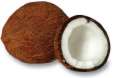
Coconut
(mg of Substance per 100 grams)
Amino Acids: 3,300
Carbohydrates: 15,000
Lipids: 33,000 Saturated: 30,360 Lauric Acid 16,000
Capric Acid 6,500
Unsaturated: Linoleic Acid 330
Monounsaturated: Oleic Acid 1,980
Minerals: Calcium 14 Iron 2.4
Phosphorus 113 Zinc 1.1
Manganese 1.5 Magnesium 32
Copper 0.4 Potassium 440
Vitamins: Vitamin B1 0.1 Vitamin B2 0.02
Vitamin
B3
0.5
Vitamin B5
0.3
Vitamin
C
3.3
Health
Benefits of Coconut Milk
The
majority of the health benefits associated with Coconut Milk are attributable to
its high content of Lauric Acid and Capric Acid.
Immune
System
Coconut
Milk inhibits/kills many types of Detrimental Bacteria, including:
-
Chlamydia trachomatis
-
Helicobacter pylori references
-
Hemophilus influenzae
-
Listeria monocytogenes
-
Neisseria gonorrhoeae
-
Staphylococcus aureus
-
Staphylococcus epidermidis
-
Streptococcus agalactiae
Coconut
Milk inhibits/kills some types of Detrimental Fungi, including:
-
Aspergillus niger
-
Candida albicans
Coconut
Milk deactivates (lipid-coated) Viruses, including:
-
The HIV virus (which causes Acquired Immune Deficiency Syndrome (AIDS).
-
Cytomegalovirus (CMV)
-
Herpes Simplex Viruses:
-
Herpes Simplex Virus Type 1
-
Herpes Simplex Virus Type 2
-
Measles Virus
Coconut
Milk Contain these Substances
(mg
of Substance per 100 grams)
Lipids:
24,000
Lauric
Acid 12,000
Capric
Acid 6,500
Health Benefits of Coconut Oil
Most of the Health Benefits of Coconut Oil are attributable to its high content of Medium-Chain Saturated Fatty Acids such as Capric Acid, Caprylic Acid and Lauric Acid.
Unlike most other dietary Oils, Coconut Oil cannot contain Trans-Fatty Acids (due to its very low content of Unsaturated Fatty Acids).
Immune System
Coconut Oil inhibits/kills some types of Detrimental Bacteria (due to its high content of Medium-Chain Saturated Fatty Acids), including:
- Helicobacter pylori
Coconut Oil inhibits/kills some types of Detrimental Fungi (due to its high content of Medium-Chain Saturated Fatty Acids), including:
- Aspergillus niger
Coconut Oil may delay the shrinkage (atrophy) of the Thymus that occurs with the progression of the Aging Process and may restore the function of the Thymus. research
Coconut Oil inactivates some types of Viruses (due to the high Lauric Acid content of Coconut Oil) including: references
- HIV virus (which causes Acquired Immune Deficiency Syndrome (AIDS). references
- Cytomegalovirus (CMV)
Metabolism
Coconut Oil increases the body’s Basal Metabolic Rate (BMR). references
Coconut Oil lowers elevated total serum Cholesterol levels (it is speculated that this occurs from Coconut Oil stimulating the conversion of Cholesterol to Pregnenolone).
Coconut Oil facilitates weight loss in persons afflicted with Obesity. references
Skin
Coconut Oil (applied topically) alleviates Dry Skin. research
Coconut Oil Enhances the Function of these Substances
Hormones
Coconut Oil is speculated to facilitate the conversion of Cholesterol to Pregnenolone.
Coconut Oil Contains these Substances
(mg of Substance per 100 grams)
Fatty Acids: Saturated - Medium Chain: 62,000 Capric Acid 7,000
Caprylic Acid 7,000
Lauric Acid 48,000
Saturated - Long Chain: 23,000 Myristic Acid 16,000
Palmitic Acid 7,000
Monounsaturated: 6,600 Oleic Acid 6,600
Polyunsaturated: 1,800 Linoleic Acid 1,800
Vitamins: Vitamin E: 1.1 Alpha Tocopherol 0.5
Delta Tocopherol 0.6
Tocotrienols: 3.1 Alpha Tocotrienol 0.5
Delta Tocotrienol 0.6
Gamma Tocotrienol 2.0
Storage
Coconut Oil is more resistant to rancidity (i.e. Lipid Peroxidation) than most other edible oils and hence has a much longer shelf life compared to other dietary Oils. Coconut oil that has been kept at room temperature for a year has been tested for rancidity, and showed no evidence of it.
Myths Dispelled
Cardiovascular System
Unlike many other Dietary Oils, Coconut Oil does NOT contribute to the development of Cardiovascular Diseases.
Coconut
Preparing
Coconut Milk from Fresh Coconuts
Pierce the eyes of a fresh
coconut, drain the liquid inside and place the coconut on a rack and bake in a
325F pre-heated oven for about 30 minutes. Remove the coconut from the oven, let
it cool a bit and crack it with a hammer so that the shell breaks into several
pieces. Remove all the coconut meat from the shell, peel off the brown skin and
cut the meat into very small cubes. Place the meat in a blender, add hot water
to just cover all of the meat and blend until finely grated. Place a sieve
covered with cheese cloth over a bowl and pour the coconut meat and water into
the sieve squeezing handfuls of the coconut meat to extract as much liquid as
possible into the bowl. Discard the squeezed coconut meat and refrigerate the
coconut milk that has been extracted into the bowl. Refrigerate the milk and use
within 1 or 2 days. B: Preparing Coconut Milk from Desiccated coconut.
Empty an 8 oz package of
unsweetened desiccated coconut into a blender and add 1 cup boiling water. Blend
for about 30 seconds and allow the mixture to cool a bit. Place a sieve over a
bowl lined with cheese cloth. Ladle the mixture into the cheese cloth, fold the
edges over the coconut meat and twist the ends to extract as much milk as you
can into the bowl. Discard the squeezed coconut meat and refrigerate the coconut
milk that has been extracted into the bowl. Refrigerate the milk and use within
1 or 2 days."
Coconuts:
In Support of Good Health,
"Coconuts: In Support of Good Health in the 21st Century", presented by Dr Mary Enig at the Asian Pacific Coconut Community (APCC) meeting held in Pohnpei in the Federated States of Micronesia in 1999. Note that it does make several references to animal experiments, and that NEXUS does not condone animal experimentation. --Editor)
Coconuts play a unique role in the diets of mankind because they are the source of important physiologically functional components. These physiologically functional components are found in the fat part of whole coconut, in the fat part of desiccated coconut and in the extracted coconut oil.
Lauric acid, the
major fatty acid from the fat of the coconut, has long been recognised for
the unique properties that it lends to nonfood uses in the soaps and cosmetics
industry. More recently, lauric acid has been recognised for its unique
properties in food use, which are related to its antiviral, antibacterial and
antiprotozoal functions. Now, capric
acid, another of coconut's fatty acids, has been added to the list of coconut's
antimicrobial components. These fatty acids are found in the largest amounts
only in traditional lauric fats, especially from coconut. Also, recently
published research has shown that natural coconut fat in the diet
leads to a normalisation of body lipids, protects against alcohol damage to the
liver and improves the immune system's anti-inflammatory response.
Clearly, there has been increasing recognition of the health-supporting functions of the fatty acids found in coconut. Recent reports from the US Food and Drug Administration about required labelling of the trans fatty acids will put coconut oil in a more competitive position and may help its return to use by the baking and snack-food industry, where it has continued to be recognised for its functionality. Now it can be recognised for another kind of functionality: the improvement of the health of mankind. . These benefits stemmed from coconut's use as a food with major functional properties for antimicrobial and anti-cancer effects.
Earlier this year, at a special conference entitled "Functional Foods For Health Promotion: Physiologic Considerations" (Experimental Biology '99, Renaissance Washington Hotel, Washington, DC, April 17, 1999), which was sponsored by the International Life Sciences Institute (ILSI) North America, Technical Committee on Food Components for Health Promotion, it was defined that "a functional food provides a health benefit over and beyond the basic nutrients".
This is exactly what coconut and its edible products such as desiccated coconut and coconut oil do. As a functional food, coconut has fatty acids that provide both energy (nutrients) and raw material for antimicrobial fatty acids and monoglycerides (functional components) when it is eaten. Desiccated coconut is about 69% coconut fat, as is creamed coconut. Full coconut milk is approximately 24% fat.Approximately 50% of the fatty acids in coconut fat are lauric acid. Lauric acid is a medium-chain fatty acid which has the additional beneficial function of being formed into monolaurin in the human or animal body. Monolaurin is the antiviral, antibacterial and antiprotozoal monoglyceride used by the human (and animal) to destroy lipid-coated viruses such as HIV, herpes, cytomegalovirus, influenza, various pathogenic bacteria including Listeria monocytogenes and Helicobacter pylori, and protozoa such as Giardia lamblia. Some studies have also shown some antimicrobial effects of the free lauric acid. Also, approximately 6 - 7% of the fatty acids in coconut fat are capric acid. Capric acid is another medium-chain fatty acid which has a similar beneficial function when it is formed into monocaprin in the human or animal body. Monocaprin has also been shown to have antiviral effects against HIV and is being tested for antiviral effects against herpes simplex and for antibacterial effects against Chlamydia and other sexually transmitted bacteria (Reuters, London, June 29, 1999). The antiviral, antibacterial and antiprotozoal properties of lauric acid and monolaurin have been recognised by a small number of researchers for nearly four decades. This knowledge has resulted in more than 20 research papers and several US patents, and last year it resulted in a comprehensive book chapter which reviewed the important aspects of lauric oils as antimicrobial agents (Enig, 1998). In the past, the larger group of clinicians and food and nutrition scientists has been unaware of the potential benefits of consuming foods containing coconut and coconut oil, but this is now starting to change. Kabara (1978) and others have reported that certain fatty acids (FAs) (e.g., medium-chain saturates) and their derivatives (e.g., monoglycerides, MGs) can have adverse effects on various micro-organisms. Those micro-organisms that are inactivated include bacteria, yeast, fungi and enveloped viruses. Additionally, it is reported that the antimicrobial effects of the FAs and MGs are additive, and total concentration is critical for inactivating viruses (Isaacs and Thormar, 1990). The properties that determine the anti-infective action of lipids are related to their structure, e.g., monoglycerides, free fatty acids. The monoglycerides are active; diglycerides and triglycerides are inactive. Of the saturated fatty acids, lauric acid has greater antiviral activity than caprylic acid (C-8), capric acid (C-10) or myristic acid (C-14). In general, it is reported that the fatty acids and monoglycerides produce their killing/inactivating effect by lysing the plasma membrane lipid bilayer. The antiviral action attributed to monolaurin is that of solubilising the lipids and phospholipids in the envelope of the virus, causing the disintegration of the virus envelope. However, there is evidence from recent studies that one antimicrobial effect in bacteria is related to monolaurin's interference with signal transduction (Projan et al., 1994), and another antimicrobial effect in viruses is due to lauric acid's interference with virus assembly and viral maturation (Hornung et al., 1994). Recognition of the antiviral aspects of the antimicrobial activity of the monoglyceride of lauric acid (monolaurin) has been reported since 1966. Some of the early work by Hierholzer and Kabara (1982), which showed virucidal effects of monolaurin on enveloped RNA and DNA viruses, was done in conjunction with the Centers for Disease Control of the US Public Health Service. These studies were done with selected virus prototypes or recognised representative strains of enveloped human viruses. The envelope of these viruses is a lipid membrane, and the presence of a lipid membrane on viruses makes them especially vulnerable to lauric acid and its derivative, monolaurin. The medium-chain saturated fatty acids and their derivatives act by disrupting the lipid membranes of the viruses (Isaacs and Thormar, 1991; Isaacs et al., 1992). Research has shown that enveloped viruses are inactivated in both human and bovine milk by added fatty acids and monoglycerides (Isaacs et al., 1991) and also by endogenous fatty acids and monoglycerides of the appropriate length (Isaacs et al., 1986, 1990, 1991, 1992; Thormar et al., 1987). Some of the viruses inactivated by these lipids, in addition to HIV, are the measles virus, herpes simplex virus-1 (HSV-1), vesicular stomatitis virus (VSV), visna virus and cytomegalovirus (CMV). Many of the pathogenic organisms reported to be inactivated by these antimicrobial lipids are those known to be responsible for opportunistic infections in HIV-positive individuals. For example, concurrent infection with cytomegalovirus is recognised as a serious complication for HIV-positive individuals (Macallan et al., 1993). Thus, it would appear to be important to investigate the practical aspects and the potential benefits of an adjunct nutritional support regimen for HIV-infected individuals, which will utilise those dietary fats that are sources of known antiviral, antimicrobial and antiprotozoal monoglycerides and fatty acids such as monolaurin and its precursor, lauric acid.Until now, no one in the mainstream nutrition community seems to have recognised the added potential of antimicrobial lipids in the treatment of HIV-infected or AIDS patients. These antimicrobial fatty acids and their derivatives are essentially nontoxic to man; they are produced in vivo by humans when they ingest those commonly available foods that contain adequate levels of medium-chain fatty acids such as lauric acid. According to the published research, lauric acid is one of the best "inactivating" fatty acids, and its monoglyceride is even more effective than the fatty acid alone (Kabara, 1978; Sands et al., 1978; Fletcher et al., 1985; Kabara, 1985). The lipid-coated (enveloped) viruses are dependent on host lipids for their lipid constituents. The variability of fatty acids in the foods of individuals, as well as the variability from de novo synthesis, accounts for the variability of fatty acids in the virus envelope and also explains the variability of glycoprotein expression - a variability that makes vaccine development more difficult. Monolaurin does not appear to have an adverse effect on desirable gut bacteria but, rather, only on potentially pathogenic micro-organisms. For example, Isaacs et al. (1991) reported no inactivation of the common Escherichia coli or Salmonella enteritidis by monolaurin, but major inactivation of Hemophilus influenzae, Staphylococcus epidermidis and group B gram-positive Streptococcus. The potentially pathogenic bacteria inactivated by monolaurin include Listeria monocytogenes, Staphylococcus aureus, Streptococcus agalactiae, groups A, F and G streptococci, gram-positive organisms, and some gram-negative organisms if pretreated with a chelator (Boddie and Nickerson, 1992; Kabara, 1978, 1984; Isaacs et al., 1990, 1992, 1994; Isaacs and Schneidman, 1991; Isaacs and Thormar, 1986, 1990, 1991; Thormar et al., 1987; Wang and Johnson, 1992).Decreased growth of Staphylococcus aureus and decreased production of toxic shock syndrome toxin-1 was shown with 150 mg monolaurin per litre (Holland et al., 1994). Monolaurin was shown to be 5,000 times more inhibitory against Listeria monocytogenes than is ethanol (Oh and Marshall, 1993). Helicobacter pylori was rapidly inactivated by medium-chain monoglycerides and lauric acid, and there appeared to be very little development of resistance of the organism to the bactericidal effects of these natural antimicrobials (Petschow et al., 1996). A number of fungi, yeast and protozoa have been found to be inactivated or killed by lauric acid or monolaurin. The fungi include several species of ringworm (Isaacs et al., 1991). The yeast reported is Candida albicans (Isaacs et al., 1991). The protozoan parasite Giardia lamblia is killed by free fatty acids and monoglycerides from hydrolysed human milk (Hernell et al., 1986; Reiner et al., 1986; Crouch et al., 1991; Isaacs et al., 1991). Numerous other protozoa were studied with similar findings, but these have not yet been published (Jon J. Kabara, private communication, 1997). Research continues in measuring the effects of the monoglyceride derivative of capric acid, monocaprin, as well as the effects of lauric acid. Chlamydia trachomatis is inactivated by lauric acid, capric acid and monocaprin (Bergsson et al., 1998). Hydrogels containing monocaprin are potent in vitro inactivators of sexually transmitted viruses such as HSV-2 and HIV-1 and bacteria such as Neisseria gonorrhoeae (Thormar, 1999).
The coconut industry has suffered more than three decades of abusive rhetoric from the consumer activist group Centers for Science in the Public Interest (CSPI), from the American Soybean Association (ASA) and other members of the edible oil industry, and from those in the medical and scientific community who learned their misinformation from groups like CSPI and ASA. I would like to review briefly the origins of the anti - saturated fat, anti - tropical oil campaigns and hopefully give you some useful insight into the issues. When and how did the anti - saturated fat story begin? It really began in part in the late 1950s, when a researcher in Minnesota announced that the heart disease epidemic was being caused by hydrogenated vegetable fats. The edible oil industry's response at that time was to claim it was only the saturated fat in the hydrogenated oils that was causing the problem. The industry then announced that it would be changing to partially hydrogenated fats and that this would solve the problem. In actual fact, there was no change because the oils were already being partially hydrogenated and the levels of saturated fatty acids remained similar, as did the levels of the trans fatty acids. The only thing that really changed was the term for "hydrogenation" or "hardening" listed on the food label. During this same period, a researcher in Philadelphia reported that consuming polyunsaturated fatty acids lowered serum cholesterol. This researcher neglected, however, to include the information that the lowering was due to the cholesterol going into the tissues such as the liver and the arteries. As a result of this research report and the acceptance of this new agenda by the domestic edible oils industry, there was a gradual increase in the emphasis on replacing "saturated fats" in the diet and on consuming larger amounts of the "polyunsaturated fats". As many of you probably know, this strong emphasis on consuming polyunsaturates has backfired in many ways. The current adjustments, being recommended in the US by groups such as the National Academy of Sciences, replace the saturates with mono-unsaturates instead of with polyunsaturates and replace polyunsaturates with mono-unsaturates. Early promoters of the anti - saturated fat ideas included companies such as Corn Products Company (CPC International), through a book written by Jeremiah Stamler in 1963, with the professional edition published in 1966 by CPC. This book took some of the earliest pejorative stabs at the tropical oils. In 1963, the only tropical fat or oil singled out as high in saturated fats was coconut oil. Palm oil had not entered the US food supply to any extent, had not become a commercial threat to the domestic oils and was not recognised in any of the early texts. The editorial staff of Consumer Reports noted that "...in 1962...one writer observed, the average American now fears fat [saturated fat, that is] 'as he once feared witches"'. In 1965, a representative of Procter & Gamble Pharmaceuticals told the American Heart Association to change its diet/heart statement to remove any reference to the trans fatty acids. This altered official document encouraged the consumption of partially hydrogenated fats. In the 1970s, this same Procter & Gamble employee served as nutrition chairman in two controlling positions for the National Heart, Lung, and Blood Institute's Lipid Research Clinic (LRC) trials and as director of one of the LRC centres. These LRC trials were the basis for the 1984 NIH Cholesterol Consensus Conference, which in turn spawned the National Cholesterol Education Program (NCEP). This program encourages consumption of margarine and partially hydrogenated fats, while admitting that trans should not be consumed in excess. The official NCEP document states that "coconut oil, palm oil, and palm kernel oil...should be avoided". In 1966, the US Department of Agriculture documents on fats and oils talked about how unstable the unsaturated fats and oils were. There was no criticism of the saturated fats. That criticism of saturated fats was to come later to this agency when it came under the influence of the domestic edible fats and oils industry and when it developed the US Dietary Guidelines. These Dietary Guidelines became very anti - saturated fat and remain so to this day. Nevertheless, as we will learn later in my talk, there started some reversal of the anti - saturated fat stance in the works of this agency in 1998. In the early 1970s, although a number of researchers were voicing concerns about the trans fats, the edible oil industry and the US Food and Drug Administration (FDA) were engaging in a revolving-door exchange that would promote the increasing consumption of partially hydrogenated vegetable oils, condemn the saturated fats and hide the trans issue. As an example of this "oily" exchange, in 1971 the FDA's general counsel became president of the edible oil trade association, the Institute of Shortening and Edible Oils (ISEO), and he in turn was replaced at the FDA by a food lawyer who had represented the edible oil industry. From that point on, the truth about any real effects of the dietary fats had to play catch-up. The American edible oil industry sponsored "information" to educate the public, and the natural dairy and animal fats industries were inept at countering any of that misinformation. Not being domestically grown in the US, coconut oil, palm oil and palm kernel oil were not around to defend themselves at that time. The government agencies responsible for disseminating information ignored those protesting "lone voices", and by the mid-1980s American food manufacturers and consumers had made major changes in their fats and oils usage - away from the safe, saturated fats and headlong into the problematic trans fats. Enig and Fallon (1998 - 99) have reviewed the above history in "The Oiling of America", published in Nexus Magazine [see 6/01 - 2]. This article can be viewed and downloaded from the NEXUS website at www.nexusmagazine.com/articles/oilingamerica.1.html and www.nexusmagazine.com/articles/oilingamerica.2.html.
Some of the food oil industry members - especially those connected with the American Soybean Association and some of the consumer activists (particularly the Centers for Science in the Public Interest and also the American Heart Savers Association) further eroded the status of natural fats when they sponsored the major anti - saturated fat, anti - tropical oils campaign in the late 1980s. Actually, an active anti - saturated fat bias started as far back as 1972 at the CSPI. But beginning in 1984, this very vocal consumer activist group started its anti - saturated fat campaign in earnest. In particular at this time, the campaign was against the "saturated" frying fats, especially those being used by fast-food restaurants. Most of these so-called saturated frying fats were tallow-based, but also included was palm oil in at least one of the hotel/restaurant chains. Then, in a critical "News Release" in August 1986 - "Deceptive Vegetable Oil Labeling: Saturated Fat Without The Facts" - CSPI referred to "palm, coconut and palm kernel oil" as "rich in artery-clogging saturated fat". CSPI further announced that it had petitioned the Food and Drug Administration to stop allowing labelling of foods as having "100% vegetable shortening" if they contained any of the "tropical oils". CSPI also asked for the mandatory addition of the qualifier, "a saturated fat", when coconut, palm or palm kernel oil was named on the food label. In 1988, CSPI published a booklet called "Saturated Fat Attack". This booklet contains lists of processed foods "surveyed" in Washington, DC, supermarkets. The lists were used for developing information about the saturated fat in the products. Section III is entitled "Those Troublesome Tropical Oils" and it contains statements encouraging pejorative labelling. There were lots of substantive mistakes in the booklet, including errors in the description of the biochemistry of fats and oils and completely erroneous statements about the fat and oil composition of many of the products. At the same time that CSPI was conducting its campaign in 1986, the American Soybean Association began its anti - tropical oils campaign by sending inflammatory letters, etc., to soybean farmers. The ASA took out advertisements to promote a "[tropical] Fat Fighter Kit". The ASA hired a Washington, DC, "nutritionist" to survey supermarkets to detect the presence of tropical oils in foods.
Then, early in
1987, the ASA petitioned the FDA to require labelling of "tropical
fats". In mid-1987 the Soybean Digest was continuing an active and
increasing anti - tropical oils campaign.
At about the same time, the New York Times (June 3, 1987) published an editorial, "The Truth About Vegetable Oil", in which it called palm, palm kernel and coconut oils "the cheaper, artery-clogging oils from Malaysia and Indonesia" and claimed that US federal dietary guidelines opposed tropical oils, although it is not clear that this was so. The "artery-clogging" terminology was right out of CSPI.
Two years later, in 1989, the ASA held a press conference with the help of the CSPI in Washington, DC, in an attempt to counter a press conference held on March 6 by the palm oil group. The ASA "Media Alert" stated that the National Heart, Lung, and Blood Institute and National Research Council "recommend consumers avoid palm, palm kernel and coconut oils".
Only months before these press conferences, millionaire Phil Sokolof, the head of the National Heart Savers Association (NHSA), purchased the first of a series of anti - saturated fats and anti - tropical fats advertisements in major newspapers. No one has found an overt connection between Sokolof (and his NHSA) and the ASA, but the CSPI bragged about being his adviser.
The research over four decades concerning coconut oil in the diet and heart disease is quite clear: coconut oil has been shown to be beneficial in combatting/reducing the risk factors in heart disease. This research leads us to ask the question, "Should coconut oil be used both to prevent and treat coronary heart disease?" This is based on several reviews of the scientific literature concerning the feeding of coconut oil to humans. Blackburn et al. (1988) reviewed the published literature of "coconut oil's effect on serum cholesterol and atherogenesis" and concluded that when "fed physiologically with other fats or adequately supplemented with linoleic acid, coconut oil is a neutral fat in terms of atherogenicity". After reviewing this same literature, Kurup and Rajmohan (1995) conducted a study on 64 volunteers and found "no statistically significant alteration in the serum total cholesterol, HDL cholesterol, LDL cholesterol, HDL cholesterol/total cholesterol ratio and LDL cholesterol/HDL cholesterol ratio of triglycerides from the baseline values". A beneficial effect of adding the coconut kernel to the diet was noted by these researchers. Kaunitz and Dayrit (1992) reviewed some of the epidemiological and experimental data regarding coconut-eating groups and noted that the "available population studies show that dietary coconut oil does not lead to high serum cholesterol nor to high coronary heart disease mortality or morbidity". They noted that, in 1989, Mendis et al. reported undesirable lipid changes when young adult Sri Lankan males were changed from their normal diets by the substitution of corn oil for their customary coconut oil. Although the total serum cholesterol decreased 18.7% from 179.6 to 146.0 mg/dL and the LDL cholesterol decreased 23.8% from 131.6 to 100.3 mg/dL, the HDL cholesterol decreased 41.4% from 43.4 to 25.4 mg/dL (putting the HDL values very much below the acceptable lower limit of 35 mg/dL) and the LDL/HDL ratio increased 30% from 3.0 to 3.9. These latter two changes are considered quite undesirable.
Mendis and
Kumarasunderam (1990) also compared the effect of coconut oil and soy oil in
normolipidemic young males, and again the coconut oil resulted in an increase in
the HDL cholesterol, whereas the soy oil reduced this desirable lipoprotein.
As noted above, Kurup and Rajmohan (1995), who studied the addition of coconut oil alone to previously mixed fat diets, had reported no significant difference from baseline.
Previously, Prior et al. (1981) had shown that islanders with high intakes of coconut oil showed "no evidence of the high saturated fat intake having a harmful effect in these populations". When these groups migrated to New Zealand, however, and lowered their intake of coconut oil, their total cholesterol and LDL cholesterol increased and their HDL cholesterol decreased. Statements that any saturated fat is a dietary problem is not supported by evidence (Enig, 1993).
Studies that allegedly showed a "hypercholesterolemic" effect of coconut oil feeding usually only showed that coconut oil was not as effective at lowering the serum cholesterol as was the more unsaturated fat to which coconut oil was being compared. This appears to be in part because coconut oil does not "drive" cholesterol into the tissues as do the more polyunsaturated fats. The chemical analysis of the atheroma showed that the fatty acids from the cholesterol esters are 74% unsaturated (41% of the total fatty acids is polyunsaturated) and only 24% are saturated. None of the saturated fatty acids was reported to be lauric acid or myristic acid (Felton et al., 1994).
There is another aspect to the coronary heart disease picture. This is related to the initiation of the atheromas that are reported to be blocking arteries. Recent research shows that there is a causative role for the herpes virus and cytomegalovirus in the initial formation of atherosclerotic plaques and the reclogging of arteries after angioplasty (New York Times, January 29, 1991). What is so interesting is that the herpes virus and cytomegalovirus are both inhibited by the antimicrobial lipid monolaurin, but monolaurin is not formed in the body unless there is a source of lauric acid in the diet. Thus, ironically enough, one could consider the recommendations to avoid coconut and other lauric oils as contributing to the increased incidence of coronary heart disease. Chlamydia pneumoniae, a gram-negative bacterium, is another of the micro-organisms suspected of playing a role in atherosclerosis by provoking an inflammatory process that would result in the oxidation of lipoproteins with induction of cytokines and production of proteolystic enzymes - a typical phenomenon in atherosclerosis (Saikku, 1997). Some of the pathogenic gram-negative bacteria with an appropriate chelator have been reported to be inactivated or killed by lauric acid and monolaurin as well as capric acid and monocaprin (Bergsson et al., 1997; Thormar et al., 1999). However, the micro-organisms which are most frequently identified as probable causative infecting agents are in the herpes virus family and include cytomegalovirus, type 2 herpes simplex (HSV-2) and Coxsackie B4 virus. The evidence for a causative role for cytomegalovirus is the strongest (Ellis, 1997; Visseren et al., 1997; Zhou et al., 1996; Melnick et al., 1996; Epstein et al., 1996; Chen and Yang, 1995), but a role for HSV-2 is also shown (Raza-Ahmad et al., 1995). All members of the herpes virus family are reported to be killed by the fatty acids and monoglycerides from saturated fatty acids ranging from C-6 to C-14 (Isaacs et al., 1991), which include approximately 80% of the fatty acids in coconut oil. In spite of what has been said over the past four or more decades about the culpability of the saturated fatty acids in heart disease, they are ultimately going to be held blameless. More and more research is showing the problem to be related to oxidised products. The naturally saturated fats such as coconut oil are one protection we have against oxidised products.
About
the Author:
Dr Mary G. Enig holds an MS
and PhD in Nutritional Sciences from the University of Maryland in the USA. She
is a consulting nutritionist and biochemist of international renown and an
expert in fats/oils analysis and metabolism, food chemistry and composition and
nutrition and dietetics.
Dr Enig is Director of the
Nutritional Sciences Division of Enig Associates, Inc., President of the
Maryland Nutritionists Association and a Fellow of the American College of
Nutrition. She is also Vice President of the Weston A. Price Foundation and
Science Editor of the Foundation's publication. Dr Enig has many years of
experience as a lecturer and has taught graduate-level courses for the
Nutritional Sciences Program at the University of Maryland, where she was a
Faculty Research Associate in the Lipids Research Group, Department of Chemistry
and Biochemistry, University of Maryland. She also maintains a limited clinical
practice for patients needing nutritional assessment and consultation.
Dr Enig has extensive
experience consulting and lecturing on nutrition to individuals, medical and
allied health groups, the food processing industry and state and federal
governments in the US. She also lectures and acts as a consultant to the
international health and food processing communities. Since 1995 she has been
invited to make presentations at scientific meetings in Europe, India, Japan,
Vietnam, Indonesia, the Philippines and Micronesia.
Dr Enig is the author of
numerous journal publications, mainly on fats and oils research and
nutrient/drug interactions. She also wrote the book Know Your Fats (Bethesda
Press, Silver Spring, MD, May 2000). She is a popular media spokesperson and was
an early critic speaking out about the use of trans fatty acids and advocating
their inclusion in nutritional labelling.
One of Dr Enig's recent
research topics dealt with the development of a nutritional protocol for
proposed clinical trials of a non-drug treatment for HIV/AIDS patients. Her
articles, "The Oiling of America" and "Tragedy
and Hype: The Third International Soy Symposium", written with
nutritionist/ researcher Sally Fallon, were published in NEXUS 6/01 - 2 and 7/03
respectively.
References:
·
Aveywardena MY and
Charnock JS. Dietary lipid modification of myocardial eicosanoids following
ischemia and reperfusion in the rat. Lipids 1995;30:1151-1156.
·
Awad AB. Effect of
dietary lipids on composition and glucose utilization by rat adipose tissue. Journal
of Nutrition 1981;111:34-39.
·
Bakker N, Van't Veer
P, Zock PL. Adipose fatty acids and cancers of hte breast, prostate and colon:
an ecological study. EURAMIC Study Group. International Journal of Cancer
1997;72:587-591.
·
Bergsson G,
Arnfinnsson J, Karlsson SM, Steingrimsson O, Thormar H. In vitro inactivation of
Chlamydia trachomatis by fatty acids and monoglycerides. Antimicrobial Agents
and Chemotherapy 1998;42:2290-2294.
·
Bibby DC, Grimble RF.
Tumour necrosis factor-alpha and endotoxin induce less prostaglandin E2
production from hypothalami of rats fed coconut oil than from hypothalami of
rats fed maize oil. Clinical Science (Colch) 1990;79:657-62.
·
Bierenbaum JL, Green
DP, Florin A, Fleishman AI, Caldwell AB. Modified-fat dietary management of the
young male with coronary disease: a five-year report. Journal of the American
Medical Association 1967;202:1119-1123.
·
Blackburn GL, Kater
G, Mascioli EA, Kowalchuk M, Babayan VK, Bistrian BR. A reevaluation of coconut
oil's effect on serum cholesterol and atherogenesis. The Journal of the
Philippine Medical Association 1989;65:144-152.
·
Boddie, RL and
Nickerson, SC. Evaluation of postmilking teat germicides containing Lauricidin,
saturated fatty acids, and lactic acid. Journal of Dairy Science
1992;75:1725-1730.
·
Castelli WP.
Editorial: Concerning the possibility of a nut. Archives of Internal Medicine
1992;152:1371-2.
·
Cha YS, Sachan DS.
Opposite effects of dietary saturated and unsaturated fatty acids on ethanol-pharmacokinetics,
triglycerides and carnitines. Journal of the American College of Nutrition
1994;13:338-343.
·
Chen A, Li W, Yang Y.
[Detection of human cytomegalovirus DNA in vascular plaques of atherosclerosis
by in situ hybridization] (translation from Chinese). Chung Hua I Hsueh Tsa
Chih 1995;10:592-593, 638.
·
Cleary MP, Phillips
FC, Morton RA. Genotype and diet effects in lean and obese Zucker rats fed
either safflower or coconut oil diets. Proceedings of the Society for
Experimental Biology and Medicine 1999;220:153-161.
·
Clevidence BA, Judd
JT, Schaefer EJ, Jenner JL, Lichtenstein AH, Muesing RA, Wittes J, Sunkin ME.
Plasma lipoprotein (a) levels in men and women consuming diets enriched in
saturated, cis-, or trans-mono-unsaturated fatty acids. Arterioscler Thromb
Vasc Biol 1997;17:1657-1661.
·
Cohen LA, Thompson
DO, Maeura Y, Choi K, Blank M, Rose DP. Dietary fat and mammary cancer. I.
Promoting effects of different dietary fats on N-nitrosomethylurea-induced rat
mammary tumorigenesis. Journal of the National Cancer Institute 1986;77:33.
·
Cohen LA, Thompson
DO, Choi K, Blank M, Rose DP. Dietary fat and mammary cancer. II. Modulation of
serum and tumour lipid composition and tumour prostaglandins by different
dietary fats: Association with tumour incidence patterns. Journal of the
National Cancer Institute 1986;77:43.
·
Crouch AA, Seow WK,
Whitman LM, Thong YH. Effect of human milk and infant milk formulae on adherence
of Giardia intestinalis. Transactions of the Royal Society of Tropical
Medicine and Hygiene 1991;85:617-619.
·
Dave JR, Koenig ML,
Tortella FC, Pieringer RA, Doctor BP, Ved HS. Dodecylglycerol provides partial
protection against glutamate toxicity in neuronal cultures derived from
different regions of embryonic rat brain. Molecular Chemistry and
Neuropathology 1997;30:1-13.
·
Dodge JA and Sagher
FA. Antiviral and antibacterial lipids in human milk and infant formula. Archives
of Disease in Childhood 1991;66:272-273.
·
Ellis RW. Infection
and coronary heart disease. Journal of Medical Microbiology
1997;46:535-539.
·
Enig MG. Diet, serum
cholesterol and coronary heart disease, in Mann GV (ed): Coronary Heart
Disease: The Dietary Sense and Nonsense. Janus Publishing, London, 1993, pp
36-60.
·
Enig, MG. Lauric oils
as antimicrobial agents: theory of effect, scientific rationale, and dietary
applications as adjunct nutritional support for HIV-infected individuals. In
Nutrients and Foods in AIDS (RR Watson, ed), CRC Press, Boca Raton, 1998, pp
81-97.
·
Enig MG, Atal S,
Sampugna J and Keeney M. Isomeric Trans Fatty Acids in the US Diet. Journal
of the American College of Nutrition 1990;9:471-486.
·
Epstein SE, Speir E,
Zhou YF, Guetta E, Leon M, Finkel T. The role of infection in restenosis and
atherosclerosis: focus on cytomegalovirus. Lancet 1996;348 Supplement
1:S13-17.
·
Eraly MG. IV. Coconut
oil and heart attack. Coconut and Coconut Oil in Human Nutrition, Proceedings.
Symposium on Coconut and Coconut Oil in Human Nutrition, 27 March 1994.
Coconut Development Board, Kochi, India, 1995, pp 63-64.
·
Felton CV, Crook D,
Davies MJ, Oliver MF. Dietary polyunsaturated fatty acids and composition of
human aortic plaques. Lancet 1994;344:1195-1196.
·
Fletcher RD, Albers
AC, Albertson JN, Kabara JJ. Effects of monoglycerides on Mycoplasma pneumoniae
growth. In The Pharmacological Effect of Lipids II (JJ Kabara, ed), American
Oil Chemists' Society, Champaign, IL, 1985, pp 59-63.
·
Florentino RF,
Aquinaldo AR. Diet and cardiovascular disease in the Philippines. The
Philippine Journal of Coconut Studies 1987;12:56-70.
·
Garfinkel M, Lee S,
Opara EC, Akkwari OE. Insulinotropic potency of lauric acid: a metabolic
rational for medium chain fatty acids (MCF) in TPN formulation. Journal of
Surgical Research 1992;52:328-333.
·
Gerster H. Can adults
adequately convert alpha-linolenic acid (18:3n-3) to eicosapentaenoic acid
(20:5n-3) and docosahexaenoic acid (22:6n-3)? International Journal of
Vitamin and Nutrition Research 1998;68:159-173.
·
Gottesman S. Making
Sense of Shortenings. Baking Buyer August 1998, pp 45-49.
·
Grundy SM.
Cholesterol metabolism in man, Western Journal of Medicine 128:13;1978.
·
Halden VW, Lieb H.
Influence of biologically improved coconut oil products on the blood cholesterol
levels of human volunteers. Nutr Dieta 1961;3:75-88.
·
Hargrove JL, Hwang J,
Wickwire K, Liu J. Diets with corn oil or soybean oil increase acute
acetaminophen hepatotoxicity compared to diets with beef tallow. The FASEB
Journal 1999;13:A222, Abstract 204.1.
·
Hashim SA, Clancy RE,
Hegsted DM, Stare FJ. Effect of mixed fat formula feeding on serum cholesterol
level in man. American Journal of Clinical Nutrition 1959;7:30-34.
·
Hegsted DM, McGandy
RB, Myer ML, Stare FJ. Quantitative effects of dietary fat on serum cholesterol
in man. American Journal of Clinical Nutrition 1965;17:281-295.
·
Hernell O, Ward H,
Blackberg L, Pereira ME. Killing of Giardia lamblia by human milk lipases: an
effect mediated by lipolysis of milk lipids. Journal of Infectious Diseases
1986;153:715-720.
·
Hierholzer, J.C. and
Kabara, J.J. In vitro effects of monolaurin compounds on enveloped RNA and DNA
viruses. Journal of Food Safety 1982;4:1-12.
·
Hodgson JM, Wahlqvist
ML, Boxall JA, and Balazs ND. Can linoleic acid contribute to coronary artery
disease? American Journal of Clinical Nutrition 1993;58:228-234.
·
Holland KT, Taylor D,
Farrell AM. The effect of glycerol monolaurate on growth of, and production of
toxic shock syndrome toxin-1 and lipase by Staphylococcus aureus. Journal of
Anti-microbial Chemotherapy 1994;33:41-55.
·
Hornstra G, van
Houwelingen AC, Kester AD, and Sundram K. A palm oil-enriched diet lowers serum
lipoprotein(a) in normocholesterolemic volunteers. Atherosclerosis
1991;90:91-93.
·
Hornung B, Amtmann E,
Sauer G. Lauric acid inhibits the maturation of vesicular stomatitis virus. Journal
of General Virology 1994;75:353-361.
·
Hostmark AT,
Spydevold O, Eilertsen E. Plasma lipid concentration and liver output of
lipoproteins in rats fed coconut fat or sunflower oil. Artery
1980;7:367-383.
·
Huang SC, Frische KL.
Alteration in mouse splenic phospholipid fatty acid composition and lymphoid
cell populations by dietary fat. Lipids 1992;27:25-32.
·
Isaacs CE, Thormar H.
Membrane-disruptive effect of human milk: inactivation of enveloped viruses. Journal
of Infectious Diseases 1986;154:966-971.
·
Isaacs CE, Thormar H.
Human milk lipids inactivated enveloped viruses. in Breastfeeding, Nutrition,
Infection and Infant Growth in Developed and Emerging Countries (Atkinson SA,
Hanson LA, Chandra RK, eds) Arts Biomedical Publishers and Distributors, St
John's, NF, Canada, 1990.
·
Isaacs CE, Thormar H.
The role of milk-derived antimicrobial lipids as antiviral and antibacterial
agents. In Immunology of Milk and the Neonate (Mestecky J, et al., eds), Plenum
Press, New York, 1991.
·
Isaacs CE, Schneidman
K. Enveloped Viruses in Human and Bovine Milk are Inactivated by Added Fatty
Acids (FAs) and Monoglycerides (MGs). FASEB Journal 1991;5, Abstract
5325, p A1288.
·
Isaacs CE, Kashyap S,
Heird WC, Thormar H. Antiviral and antibacterial lipids in human milk and infant
formula feeds. Archives of Disease in Childhood 1990;65:861-864.
·
Isaacs CE, Litov RE,
Marie P, Thormar H. Addition of lipases to infant formulas produces antiviral
and antibacterial activity. Journal of Nutritional Biochemistry
1992;3:304-308.
·
Isaacs CE, Kim KS,
Thormar H. Inactivation of enveloped viruses in human bodily fluids by purified
lipids. Annals of the New York Academy of Sciences 1994;724:457-464.
·
Jones PJH. Regulation
of cholesterol biosynthesis by diet in humans. American Journal of Clinical
Nutrition 1997;66:438-446.
·
Judd JT, Clevidence
BA, Muesing RA, Wittes J, Sunkin ME, and Podczasy JJ. Dietary Trans Fatty Acids:
Effects on Plasma Lipids and Lipoproteins of Healthy Men and Women. American
Journal of Clinical Nutrition 1994;59:861-868.
·
Kabara JJ. Fatty
acids and derivatives as antimicrobial agents: A review. In The Pharmacological
Effect of Lipids (JJ Kabara, ed), American Oil Chemists' Society,
Champaign IL, 1978.
·
Kabara JJ. Inhibition
of Staphylococcus aureus. In The Pharmacological Effect of Lipids II (JJ Kabara,
ed), American Oil Chemists' Society, Champaign IL, 1985, pp.71-75.
·
Kaunitz H. Toxic
effects of polyunsaturated vegetable oils. In Symposium on the Pharmacological
Effect of Lipids (JJ Kabara, ed), American Oil Chemists' Society,
Champaign, IL, 1978, pp 203-210.
·
Kaunitz H, Dayrit CS.
Coconut oil consumption and coronary heart disease. Philippine Journal of
Internal Medicine 1992;30:165-171.
·
Keys A, Anderson JT,
Grande F. Prediction of serum-cholesterol responses of man to changes in the
diet. Lancet 959;1957.
·
Khosla P and Hayes
KC. Dietary trans-mono-unsaturated fatty acids negatively impact plasma lipids
in humans: critical review of the evidence. Journal of the American College
of Nutrition 1996;15:325-339.
·
Kohlmeier L, Simonsen
N, van't Veer P, Strain JJ, Martin-Moreno JM, Margolin B, Huttunen JK,
Fernandez-Crehuet Navajas J, Martin BC, Thamm M, Kardinaal AF, Kok FJ. Adipose
tissue trans fatty acids and breast cancer in the European Community Multicenter
Study on Antioxidants, Myocardial Infarction, and Breast Cancer. Cancer
Epidemiology and Biomarkers Prev 1997;6:705-10.
·
Kramer JK, Sauer FD,
Farnworth ER, Stevenson D, Rock GA. Hematological and lipid changes in newborn
piglets fed milk-replacer diets containing erucic acid. Lipids
1998;33:1-10.
·
Kurup
PA, Rajmohan T. II. Consumption
of coconut oil and coconut kernel and the incidence of atherosclerosis. Coconut
and Coconut Oil in Human Nutrition, Proceedings. Symposium on Coconut and
Coconut Oil in Human Nutrition, 27 March 1994. Coconut Development Board, Kochi,
India, 1995, pp 35-59.
·
Lim-Sylianco CY.
Anticarcinogenic effect of coconut oil. The Philippine Journal of Coconut
Studies 1987;12:89-102.
·
Lu Z, Hendrich S,
Shen N, White PJ, Cook LR. Low linolenate and commercial soybean oils diminish
serum HDL cholesterol in young free-living adult females. Journal of the
American College of Nutrition 1997;16:562-569.
·
Macallan DC, Noble C,
Baldwin C, Foskett M, McManus T, Griffin GE. Prospective analysis of patterns of
weight change in stage IV hulman immunodeficiency virus infection. American
Journal of Clinical Nutrition 1993;58:417-24.
·
Mann GV. A short
history of the diet/heart hypothesis. In Mann GV (ed), Coronary Heart
Disease: The Dietary Sense and Nonsense. Janus Publishing, London, 1993, pp
1-17.
·
McWhinney VJ, Pond WG,
Mersmann HJ. Ontogeny and dietary modulation of 3-hydroxy-3-methylglutaryl-CoA
reductase activities in neonatal pigs. Journal of Animal Science
1996;74:2203-10.
·
Melnick JL, Adam E,
DeBakey ME. Cytomegalovirus and atherosclerosis. Archivum Immunologiae et
Therapiae Experimentalis (Wroclaw) 1996;44:297-302.
·
Mendis S,
Kumarasunderam R. The effect of daily consumption of coconut fat and soyabean
fat on plasma lipids and lipoproteins of young normolipidaemic men. British
Journal of Nutrition 1990;63:547-52.
·
Mendis S, Wissler RW,
Bridenstine RT, Podbielski FJ. The effects of replacing coconut oil with corn
oil on human serum lipid profiles and platelet derived factors active in
atherogenesis. Nutrition Reports International 40:4, Oct 1989.
·
Mensink RP and Katan
MB. Effect of Dietary Trans Fatty Acids on High-Density and Low-Density
Lipoprotein Cholesterol Levels in Healthy Subjects. The New England Journal
of Medicine 1990;323:439-445.
·
Monserrat AJ, Romero
M, Lago N, Aristi C. Protective effect of coconut oil on renal necrosis
occurring in rats fed a methyl-deficient diet. Renal Failure
1995;17:525-537.
·
Nanji AA, Sadrzadeh
SM, Yang EK, Fogt F, Maydani M, Dannenberg AJ. Dietary saturated fatty acids: a
novel treatment for alcoholic liver disease. Gastroenterology
1995;109:547-554.
·
Nelson GJ. Dietary
fat, trans fatty acids, and risk of coronary heart disease. Nutrition Reviews
1998;56:250-252.
·
Nelson SE, Rogers RR,
Frantz JA, Ziegler EE. Palm olein in infant formula: absorption of fat and
minerals by normal infants. American Journal of Clinical Nutrition
1996;64:291-296.
·
New York Times, Medical
Science, Tuesday, January 29, 1991. Common virus seen as having early role
in arteries' clogging (byline Sandra Blakeslee).
·
Ng TKW, Hassan K, Lim
JB, Lye MS, Ishak R. Nonhypercholesterolemic effects of a palm-oil diet in
Malaysian volunteers. American Journal of Clinical Nutrition
1991;53:1015S-1020S.
·
Oh DH and Marshall
DL. Antimicrobial activity of ethanol, glycerol monolaurate or lactic acid
against Listeria monocytogenes. International Journal of Food and
Microbiology 1993;20:239-246.
·
Oliart-Ros RM,
Torres-Marquez ME, Badillo A, Guerrero OA. Effects of dietary polyunsaturated
fatty acids on sucrose-induced cardiovascular syndrome in rats. 89th AOCS Annual
Meeting Abstracts, H&N 5: General Health and Nutrition II, p 76, Chicago,
IL, May 10-13, 1998.
·
Petschow BW, Batema
RP, Ford LL. Susceptibility of Helicobacter pylori to bactericidal properties of
medium-chain monoglycerides and free fatty acids. Antimicrobial Agents and
Chemotherapy 1996;40:302-306.
·
Pietinen P, Ascherio
A, Korhonen P, Hartman AM, Willett WC, Albanes D, Virtamo J. Intake of fatty
acids and risk of coronary heart disease in a cohort of Finnish men. The Alpha-Tocopherol,
Beta-Carotene Cancer Prevention Study. American Journal of Epidemiology
1997;145:876-887.
·
Portillo MP, Serra F,
Simon E, del Barrio AS, Palou A. Energy restriction with high-fat diet enriched
with coconut oil gives higher UCP1 and lower white fat in rats. International
Journal of Obesity and Related Metabolic Disorders 1998;22:974-9.
·
Prior IA, Davidson F,
Salmond CE, Czochanska Z. Cholesterol, coconuts, and diet on Polynesian atolls:
a natural experiment: the Pukapuka and Tokelau Island studies. American
Journal of Clinical Nutrition 1981;34:1552-1561.
·
Projan SJ, Brown-Skrobot
S, Schlievert PM, Vandenesch F, Novick RP. Glycerol monolaurate inhibits the
production of beta-lactamase, toxic shock toxin-1, and other staphylococcal
exoproteins by interfering with signal transduction. Journal of Bacteriology
1994;176:4204-4209.
·
Ravnskov U. Quotation
bias in reviews of the diet-heart idea. Journal of Clinical Epidemiology
1995;48:713-719.
·
Raza-Ahmad A, Klassen
GA, Murphy DA, Sullivan JA, Kinley CE, Landymore RW, Wood JR. Evidence of type-2
herpes simplex infection in human coronary arteries at the time of coronary
artery bypass surgery. Canadian Journal of Cardiology 1995;11:1025-1029.
·
Reddy BS, Maeura Y.
Tumour promotion of dietary fat in azoxymethane-induced colon carcinogenesis in
female F 344 rats. Journal of the National Cancer Institute
1984;72:745-750.
·
Reiner DS, Wang CS,
Gillin FD. Human milk kills Giardia lamblia by generating toxic lipolytic
products. Journal of Infectious Diseases 1986;154:825-832.
·
Saikku P. Chlamydia
pneumoniae and atherosclerosis - an update. Scandinavian Journal of
Infectious Diseases Supplement 1997;104:53-56.
·
Sircar S, Kansra U.
Choice of cooking oils - myths and realities. Journal of the Indian Medical
Association 1998;96:304-307.
·
Sands JA, Auperin DD,
Landin PD, Reinhardt A, Cadden SP. Antiviral effects of fatty acids and
derivatives: lipid-containing bacteriophages as a model system. In The
Pharmacological Effect of Lipids (JJ Kabara, ed), American Oil Chemists'
Society, Champaign, IL, 1978, pp 75-95.
·
Smit MJ, Wolters H,
Temmerman AM, Kuipers F, Beynen AC, Vonk RJ. Effects of dietary corn and olive
oil versus coconut fat on biliary cholesterol secretion in rats. International
Journal of Vitamin and Nutrition Research 1994;64:75-80.
·
Smith RL. The
Cholesterol Conspiracy. Warren H Green Inc., St Louis, Missouri, 1991.
·
Sugano M, Ikeda I.
Metabolic interactions between essential and trans-fatty acids. Current
Opinions in Lipidology 1996;7:38-42.
·
Sundram K, Hayes KC,
Siru OH. Dietary palmitic acid results in lower serum cholesterol than does a
lauric-myristic acid combination in normolipemic humans. American Journal of
Clinical Nutrition 1994;59:841-846.
·
Tappia PS, Grimble RF.
Complex modulation of cytokine induction by endotoxin and tumour necrosis factor
from peritoneal macrophages of rats by diets containing fats of different
saturated, mono-unsaturated and polyunsaturated fatty acid composition. Clinical
Science (Colch) 1994;87:173-178.
·
Tholstrup T,
Marckmann P, Jespersen J, Sandstrom B. Fat high in stearic acid favorably
affects blood lipids and factor VII coagulant activity in comparison with fats
high in palmitic acid or high in myristic and lauric acids. American Journal
of Clinical Nutrition 1994;59:371-377.
·
Thormar H, Isaacs EC,
Brown HR, Barshatzky MR, Pessolano T. Inactivation of enveloped viruses and
killing of cells by fatty acids and monoglycerides. Antimicrobial Agents and
Chemotherapy 1987;31:27-31.
·
Trautwein EA, Kunath-Rau
A, Dietrich J, Drusch S, Erberdobler HF. Effect of dietary fats rich in lauric,
myristic, palmitic, oleic or linoleic acid on plasma, hepatic and biliary lipids
in cholesterol-fed hampsters. British Journal of Nutrition 1997;77:605-620.
·
Visseren FL, Bouter
KP, Pon MJ, Hoekstra JB, Erkelens DV, Diepersloot RJ. Patients with diabetes
mellitus and atherosclerosis; a role for cytomegaloviorus? Diabetes Research
and Clinical Practice (Limerick) 1997;36:49-55.
·
Wan JM, Grimble RF.
Effect of dietary linoleate content on the metabolic response of rats to
Escherichia coli endotoxin. Clinical Science (Colch) 1987;72:383-385.
·
Wang LL and Johnson
EA. Inhibition of Listeria monocytogenes by fatty acids and monoglycerides. Applied
and Environmental Microbiology 1992; 58:624-629.
·
Willett W. Editorial:
Challenges for public health nutrition in the 1990s. American Journal of
Public Health 1990;80:1295-1298.
·
Witcher KJ, Novick
RP, Schlievert PM. Modulation of immune cell proliferation by glycerol
monolaurate. Clinical and Diagnostic Laboratory Immunology 1996;3:10-13.
·
Zhou YF, Buetta E, Yu ZX, Finkel T,
Epstein SE. Human cytomegalovirus increases modified low-density lipoprotein
uptake and scavenger receptor mRNA expression in vascular smooth muscle cells.
Journal of Clinical Investigation 1996;98:2129-2138.
(The following is the text of a talk and paper, "Coconuts: In Support of Good Health in the 21st Century", presented by Dr Mary Enig at the Asian Pacific Coconut Community (APCC) meeting held in Pohnpei in the Federated States of Micronesia in 1999. Note that it does make several references to animal experiments, and that NEXUS does not condone animal experimentation. --Editor)
Both the United States and Canada will soon require labelling of the trans fatty acids, which will put coconut oil in a more competitive position than it has been in the past decade. (In 2001, Canada published examples of the labels it plans to use, while the US is still to finalise its labels.)
A fear of the vegetable oil manufacturers has always been that they would have to label trans fatty acids. The producers of trans fatty acids have relied on the anti-saturated fat crusade to protect their markets. However, the latest research on saturated fatty acids and trans fatty acids shows the saturated fatty acids coming out ahead in the health race. It has taken a decade, from 1988 to 1998, to see changes in perception. During this period, the trans fatty acids have taken a deserved drubbing. Research reports from Europe have been emerging since the seminal report by Mensink and Katan in 1990 that the trans fatty acids raised the low-density lipoprotein (LDL) cholesterol and lowered the high-density lipoprotein (HDL) cholesterol in serum. This has been confirmed by studies in the US (Judd et al., 1994; Khosla and Hayes, 1996; Clevidence, 1997).
In 1990, the Lipids Research Group at the University of Maryland published a paper (Enig et al., 1990) correcting some of the erroneous data sponsored by the food industry in the 1985 review of the trans fatty acids by the Life Sciences Research Office of the Federation of American Societies for Experimental Biology (LSRO-FASEB) (Senti, 1985).
In 1993, a group of researchers at Harvard University, led by Professor Walter Willett, reported a positive relationship between the dietary intake of the trans fatty acids and coronary heart disease in a greater than 80,000 cohort of nurses who had been followed by the School of Public Health at Harvard University for more than a decade.
Pietinen and colleagues (1997) evaluated the findings from the large cohort of Finnish men who were followed in a cancer prevention study. After controlling for the appropriate variables including several coronary risk factors, the authors observed a significant positive association between the intake of trans fatty acids and the risk of death from coronary disease. There was no association between the intake of saturated fatty acids or dietary cholesterol and the risk of coronary death. This is another example of the differences between the effects of the trans fatty acids and the saturated fatty acids, and a further challenge to the dietary cholesterol hypothesis.
The issue of the trans fatty acids as a causative factor in cancer remains underexplored, but recent reports have found a connection. Bakker and colleagues (1997) studied the data for the association between breast cancer incidence and linoleic acid status across European countries, since animal and ecological studies had suggested a relationship. They found that the mean fatty acid composition of adipose did not show an association with omega-6 linoleic acid and breast, colon or prostate cancer. However, cancers of the breast and colon were positively associated with the trans fatty acids. Kohlmeier and colleagues (1997) also reported that data from the EURAMIC study showed adipose tissue concentration of trans fatty acids having a positive association with postmenopausal breast cancer in European women.
In 1995, a British documentary on the trans fatty acids was aired on a major television station in the UK. This documentary included an exposé of the battle between the edible oil industry and some of the major researchers of the trans fatty acids. Just this year [1999], this same documentary was aired on television in France, where it had been requested by a major television station. Several of the early researchers into the trans problems, including Professor Fred Kummerow and Dr George Mann, have continued their research and/or writing (Kummerow, 1999, 2000; Mann, 1994, 2000). The popular media have continued to press the issue of the amounts of trans in foods, for which there are still no comprehensive government databases.
A recently published paper from a US Department of Agriculture researcher states: "Because trans fatty acids have no known health benefits and strong presumptive evidence suggests that they contribute markedly to the risk of developing CHD, the results published to date suggest that it would be prudent to lower the intake of trans fatty acids in the US diet" (Nelson, 1998).
Professor Meir Stampfer from Harvard University refers to trans fats as "one of the major nutritional issues of the nation", contending that "they have a large impact" and that "we should completely eliminate hydrogenated fats from the diet" (Gottesman, 1998). Lowering the trans fatty acids in foods in the US can only be done by returning to the use of the natural, unhydrogenated and more saturated fats and oils. Predictions can be made regarding the future of trans fatty acids. Our ability to predict has been pretty good; for example, when Enig Associates started producing the marketing newsletter Market Insights, written by Eric Enig, we predicted that trans fatty acids would eventually be swept out of the market. It appears that this prediction may be close to coming true. Also in the early 1990s, Market Insights predicted that the Center for Science in the Public Interest (CSPI) would change its mind about the trans fatty acids, which it had spent years defending. CSPI did change its mind, and in fact went on the attack regarding the trans, but CSPI never admitted that it had originally been promoting trans or that the high levels of trans fatty acids found in the fried foods in fast food and other restaurants and in many other foods are directly due to CSPI lobbying. While its change was welcome, CSPI's revisionist version of its own history of support of partially hydrogenated oils and trans fatty acids would have fitted perfectly into George Orwell's Nineteen Eighty-Four.
The statement that trans fatty acids are like saturated fatty acids is not correct for biological systems. A listing of the biological effects of saturated fatty acids in the diet versus the biological effects of trans fatty acids in the diet is in actuality a listing of the good (saturated) versus the bad (trans).
When one compares the saturated fatty acids and the
trans fatty acids, we see that:
1) saturated fatty acids raise HDL cholesterol, the so-called "good
cholesterol", whereas the trans fatty acids lower HDL cholesterol (Mensink
and Katan, 1990; Judd et al., 1994);
2) saturated fatty acids lower the blood levels of the atherogenic lipoprotein
(a), whereas trans fatty acids raise the blood levels of lipoprotein (a) (Khosla
and Hayes, 1996; Hornstra et al., 1991; Clevidence et al., 1997);
3) saturated fatty acids conserve the elongated omega-3 fatty acids (Gerster,
1998), whereas trans fatty acids cause the tissues to lose these omega-3 fatty
acids (Sugano and Ikeda, 1996);
4) saturated fatty acids do not inhibit insulin binding, whereas trans fatty
acids do inhibit insulin binding;
5) saturated fatty acids are the normal fatty acids made by the body and they do
not interfere with enzyme functions such as the delta-6-desaturase, whereas
trans fatty acids are not made by the body and they interfere with many enzyme
functions such as delta-6-desaturase; and
6) some saturated fatty acids are used by the body to fight viruses, bacteria
and protozoa and they support the immune system, whereas trans fatty acids
interfere with the function of the immune system.
The arteries of the heart are also compromised by the unsaturated fatty acids. When the fatty acid composition of the plaques (atheromas) in the arteries has been analysed, the level of saturated fatty acids in the cholesterol esters is only 26% compared to that in the unsaturated fatty acids, which is 74%. When the unsaturated fatty acids in the cholesterol esters in these plaques are analysed, it is shown that 38% are polyunsaturated and 36% are mono-unsaturated. Clearly, the problem is not with the saturated fatty acids.
As an aside, you need to understand that the major role of cholesterol in heart disease and cancer is as the body's repair substance and that cholesterol is a major support molecule for the immune system, an important antioxidant and a necessary component of neurotransmitter receptors. Our brains do not work very well without adequate cholesterol. It should be apparent to scientists that the current approach to cholesterol has been wrong.
The pathway to cholesterol synthesis starts with a molecule of acetyl CoA [coenzyme A] that comes from the metabolism of excess protein-forming ketogenic amino acids and from the metabolism of excess carbohydrates as well as from the oxidation of excess fatty acids. Grundy in 1978 reported that the degree of saturation of the fat in the diet did not affect the rate of synthesis of cholesterol. However, research reported by Jones in 1997 showed that the polyunsaturated fatty acids in the diet increase the rate of cholesterol synthesis relative to other fatty acids. Furthermore, research reported in 1993 (Hodgsons et al.) showed that dietary intake of the omega-6 polyunsaturated fatty acid, linoleic acid, was positively related to coronary artery disease.
Thus, those statements made by the consumer activists in the United States, to the effect that the saturated fatty acids increase cholesterol synthesis, are without any foundation.
What happens when there is an increase or a decrease of cholesterol in the serum is more like a shift from one compartment to another as the body tries to rectify the potential damage from the excess polyunsaturated fatty acids. Research by Dr Hans Kaunitz (1978) clearly showed the potential problems with excess polyunsaturated fatty acids.
One major concern expressed by the nutrition community is related to whether or not people are getting enough elongated omega-3 fatty acids in their diets. The elongated omega-3 fatty acids of concern are eicosapentaenoic acid (EPA) and docosahexaenoic acid (DHA). Some research has shown that the basic omega-3 fatty acid, linolenic acid, is not readily converted to the elongated forms in humans or animals, especially when there is ingestion of the trans fatty acids and the consequent inhibition of the delta-6-desaturase enzyme. One recent study (Gerster, 1998), which used radioisotope-labelled linolenic acid to measure this conversion in adult humans, showed that if the background fat in the diet was high in saturated fat, the conversion was approximately 6% for EPA and 3.8% for DHA; whereas, if the background fat in the diet was high in omega-6 polyunsaturated fatty acids (PUFA), the conversion was reduced 40-50%.
Nanji and colleagues (1995) reported that a diet enriched with saturated but not unsaturated fatty acids reversed the alcoholic liver injury in their animals which was caused by dietary linoleic acid. These researchers concluded that this effect may be explained by the down-regulation of lipid peroxidation. This is another example of the need for adequate saturated fat in the diet.
Cha and Sachan (1994) studied the effects of saturated fatty acid and unsaturated fatty acid diets on ethanol pharmacokinetics. The hepatic enzyme alcohol dehydrogenase and plasma carnitines were also evaluated. The researchers concluded that dietary saturated fatty acids protect the liver from alcohol injury by retarding ethanol metabolism, and that carnitine may be involved.
Hargrove and colleagues (1999) noted the work of Nanji et al. and postulated that they would find that diets rich in linoleic acid would also cause acute liver injury after acetaminophen injection. In the first experiment, two levels of fat (15g/100g protein and 20g/100g protein), using corn oil or beef tallow, were fed. Liver enzymes indicating damage were significantly elevated in all the animals except for those animals fed the higher level of beef tallow. These researchers concluded that "diets with high [linoleic acid] may promote acetaminophen-induced liver injury compared to diets with more saturated and mono-unsaturated fatty acids".
Research that compares the feeding of coconut oil with other oils to answer a variety of biological questions is increasingly finding beneficial results from the coconut oil.
Obesity is a major health problem in the United States and the subject of much research. Several lines of research dealing with metabolic effects of high-fat diets have been followed. One study used coconut oil to enrich a high-fat diet and the results reported were that the "coconut oil-enriched diet is effective in...[producing]...a decrease in white fat stores" (Portillo et al., 1998).
Cleary et al. (1999) fed genetically obese animals high-fat diets of either safflower oil or coconut oil. Animals fed safflower oil had higher hepatic lipogenic enzyme activities than did animals fed coconut oil. When the number of fat cells was measured, the safflower oil fed also had more fat cells than the coconut oil fed.
Many of the feeding studies produce results at variance with the popular conception. High-fat diets have been used to study the effects of different types of fatty acids on membrane phospholipid fatty acid profiles. When such a study was performed on mice, the phospholipid profiles were similar for diets high in linoleic acid from high-linoleate sunflower oil relative to diets high in saturated fatty acids from coconut oil. However, those animals fed diets high in oleic acid (from the high-oleate sunflower oil) or high in elongated omega-3 fatty acids (from menhaden fish oil) were not only different from the other two diets, but they also resulted in enlarged spleens in the animals (Huang and Frische, 1992).
Oliart-Ros and colleagues (1998) at the Instituto Tecnológico de Veracruz, Mexico, reported on effects of different dietary fats on sucrose-induced cardiovascular syndrome in rats. The most significant reduction in parameters of the syndrome was obtained by the n-3 PUFA-rich diet. These researchers reported that the diet thought to be PUFA-deficient presented a tissue lipid pattern similar to the n-3 PUFA-rich diet (fish oil), which surprised and puzzled them. When the researchers were questioned, it turned out that the diet was not really PUFA-deficient, but rather just a normal coconut oil (nonhydrogenated) which conserved the elongated omega-3 and normalised the omega-6 to omega-3 balance.
A recent study measured the effect of high-fat diets, fed for more than three months to neonatal pigs, on the HMG-CoA reductase enzyme's function and gave some surprises. There were two feeding protocols: one with the added cholesterol and one without added cholesterol, but both with coconut oil. The hepatic reductase activity, which was the same in all groups at the beginning of the feeding on the third day and similar on the 42nd day, was increased with and without added cholesterol on the 13th day and then decreased on the 25th day. The data were said to suggest that dietary cholesterol suppressed hepatic reductase activity in the young pigs regardless of their genetic background, that the stage of development was a dominant factor in its regulation, and that both dietary and endogenously synthesised cholesterol were used primarily for tissue building in very young pigs (McWhinney et al., 1996). The feeding of coconut oil did not in any way compromise the normal development of these animals.
When compared with feeding coconut oil, feeding two different soybean oils to young females caused a significant decrease in HDL cholesterol. Both soybean oils, one of which was extracted from a new mutant soybean thought to be more oxidatively stable, were not protective of the HDL levels (Lu et al., 1997).
Trautwein et al. (1997) studied cholesterol-fed hamsters on different oil supplements for plasma, hepatic and biliary lipids. The dietary oils included butter, palm stearin, coconut oil, rapeseed oil, olive oil and sunflowerseed oil. Plasma cholesterol concentrations were higher (9.2 millimoles/litre) for olive oil than for coconut oil (8.5 mmol/L), hepatic cholesterol was highest in the olive oil group, and none of the diet groups differed for biliary lipids. Even in this cholesterol-sensitive animal model, coconut oil performed better than olive oil.
Smit and colleagues (1994) had also studied the effect of feeding coconut oil compared with feeding corn oil and olive oil in rats, and measured the effect on biliary cholesterol. Bile flow was not different between the three diets, but the hepatic plasma membranes showed more cholesterol and less phospholipid from corn and olive oil feeding relative to coconut oil feeding.
Several studies (Kramer et al., 1998) have pointed out problems with canola oil feeding in newborn piglets, which results in a reduction in the number of platelets and alteration in their size. There is concern for similar effects in human infants. These undesirable effects can be reversed when coconut oil or other saturated fat is added to the feeding regimen (Kramer et al., 1998).
Research has shown that coconut oil is needed for good absorption of fat and calcium from infant formulas. The soy oil (47%) and palm olein (53%) formula gave 90.6% absorption of fat and 39% absorption of calcium, whereas the soy oil (60%) and coconut oil (40%) gave 95.2% absorption of fat and 48.4% absorption of calcium (Nelson et al., 1996). Both fat and calcium are needed by the infant for proper growth. These results clearly show the folly of removing or lowering the coconut oil content in infant formulas.
Coconut oil appears to help the immune system response in a beneficial manner. Feeding coconut oil in the diet completely abolished the expected immune factor responses to endotoxin that were seen with corn oil feeding. This inhibitory effect on interleukin-1 production was interpreted by the authors of the study as being largely due to a reduced prostaglandin and leukotriene production (Wan and Grimble, 1987). However, the damping may be due to the fact that effects from high omega-6 oils tend to be normalised by coconut oil feeding.
Another report from this group (Bibby and Grimble, 1990) compared the effects of corn oil and coconut oil diets on tumour necrosis factor-alpha and endotoxin induction of the inflammatory prostaglandin E2 (PGE2) production. The animals fed coconut oil did not produce an increase in PGE2, and the researchers again interpreted this as a modulatory effect that brought about a reduction of phospholipid arachidonic acid content.
Another study from the same research group (Tappia and Grimble, 1994) showed that omega-6 oil enhanced inflammatory stimuli, but that coconut oil, along with fish oil and olive oil, suppressed the production of interleukin-1.
Several recent studies are showing additional helpful effects of consuming coconut oil on a regular basis, thus supplying the body with the lauric acid derivative, monolaurin. Monolaurin and the ether analogue of monolaurin have been shown to have the potential for damping adverse reactions to toxic forms of glutamic acid (Dave et al., 1997). Lauric acid and capric acid have been reported to have very potent effects on insulin secretion (Garfinkel et al., 1992). Using a model system of murine splenocytes, Witcher et al. (1996) showed that monolaurin induced proliferation of T-cells and inhibited the toxic shock syndrome toxin-1 mitogenic effects on T-cells.
Monserrat and colleagues (1995) showed that a diet rich in coconut oil could protect animals against the renal necrosis and renal failure produced by a diet deficient in choline (a methyl donor group). The animals had less or no mortality and increased survival time as well as decreased incidence or severity of the renal lesions when 20% coconut oil was added to the deficient diet. A mixture of hydrogenated vegetable oil and corn oil did not show the same benefits.
The immune system is complex and has many feedback mechanisms to protect it, but the wrong fat and oils can compromise these important mechanisms. The data from the several studies show the helpful effects of coconut fat. Additionally, there are anecdotal reports that consumption of coconut is beneficial for individuals with the chronic fatigue and immune dysfunction syndrome known as CFIDS.
A number of patents have been granted in the United States for medical uses of lauric oils, lauric acid and monolaurin. Although one earlier patent was granted to Professor Kabara more than three decades ago, the rest of these patents have been granted within the past decade.
In 1989 a patent was issued to the New England Deaconess Hospital (Bistrian et al., 1989) for the invention titled "Kernel Oils and Disease Treatment". This treatment requires lauric acid as the primary fatty acid source, with lauric oils constituting up to 80% of the fat in the diet "using naturally occurring kernel oils".
In 1991 and 1995, two patents were issued to the group of researchers whose work has been reviewed above.
The first invention (Isaacs et al., 1991) was directed to antiviral and antibacterial activity of both fatty acids and monoglycerides, primarily against enveloped viruses. The claims are for "a method of killing enveloped viruses in a host human...wherein the enveloped viruses are AIDS viruses...[or]...herpes viruses...[and the]...compounds selected from the group consisting of fatty acids having from 6 to 14 carbon atoms and monoglycerides of said fatty acids...[and]...wherein the fatty acids are saturated fatty acids".
The second patent (Isaacs et al., 1995) was a further extension of the earlier one. This patent also includes discussion of the inactivation of enveloped viruses, and it specifically cites monoglycerides of caproic, caprylic, capric, lauric and myristic acids. These fatty acids make up more than 80% of coconut oil. Also included in this patent is a listing of susceptible viruses and some bacteria and protozoa.
Although these latter patents may provide the owners of the patents with the ability to extract royalties from commercial manufacturers of monoglycerides and fatty acids, they cannot require royalties from the human gastrointestinal tract when it is the "factory" that is doing the manufacturing of the monoglycerides and fatty acids.
Clearly, though, these patents serve to illustrate to us that the health-giving properties of monolaurin and lauric acid are well recognised by some individuals in the research arena, and they lend credence to our appropriate choice of lauric oils for promoting health and as an adjunct treatment of viral diseases.
I would like to review for you my perception of the status regarding the coconut and coconut products markets in the United States and Canada at the end of the 20th century and the beginning of the 21st century.
Coconut products are trying to regain their former place in several small markets. The extraction of oil from fresh coconut has been reported in the past decade and my impression is that this is being considered as a desirable source of minimally processed oil with desirable characteristics for the natural foods market.
There have been some niche markets for coconut products developing during the past half-decade. These are represented primarily by the natural foods and health foods producers. Some examples are the new coconut butters produced in the US and Canada by Omega Nutrition and Carotec, Inc. And this is no longer as small a market as it has been in past years. Desiccated coconut products, coconut milk and even coconut oil are appearing on the shelves of many of these markets. After years of packaging coconut oil for skin use only, one of the large suppliers of oils to the natural foods and health foods stores has introduced coconut oil for food use, and it has appeared within the last few months on shelves in the Washington, DC, metropolitan area, along with other oils. I believe I indirectly had something to do with this turn of events.
There is much to be gained from pursuing the functional properties of coconut for improving the health of humanity.
On the occasion of the 30th anniversary of the Asian Pacific Coconut Community, at this 36th meeting of APCC, I wanted to bring you a message that I hope will encourage you to continue your endeavours on behalf of all parts of the coconut industry. Coconut products for inedible and especially edible uses are of the greatest importance for the health of the entire world.
Some of what I have been telling you, most of you already know. But in saying these things for the record, it is my intention to tell those who did not know all the details until they heard or read this paper about the positive properties of coconut.
Coconut oil is a most important oil because it is a lauric oil. The lauric fats possess unique characteristics for both food industry uses and also for the uses of the soaps and cosmetics industries. Because of the unique properties of coconut oil, the fats and oils industry has spent untold millions to formulate replacements from those seed oils so widely grown in the world outside the tropics. While it has been impossible to truly duplicate coconut oil for some of its applications, many food manufacturers have been willing to settle for lesser quality in their products. Consumers have also been willing to settle for a lesser quality, in part because they have been fed so much misinformation about fats and oils.
Desiccated coconut, on the other hand, has been impossible to duplicate, and the markets for desiccated coconut have continued. The powdered form of desiccated coconut now being sold in Europe and Asia has yet to find a market in the United States, but I predict that it will become an indispensable product in the natural foods industry. Creamed coconut, which is desiccated coconut very finely ground, could be used as a nut butter.
APCC needs to promote the edible uses of coconut, and it needs to promote the re-education of the consumer, the clinician and the scientist. The researcher H. Thormar (Thormar et al., 1999) concluded his abstract with the statement that monocaprin "is a natural compound found in certain foodstuffs such as milk and is therefore unlikely to cause harmful side effects in the concentrations used". It is not monocaprin that is found in milk, but capric acid. It is likely safe at most any level found in food. However, the level in milk fat is at most 2%, whereas the level in coconut fat is 7%.
One last reference for the record. Sircar and Kansra (1998) have reviewed the increasing trend of atherosclerotic disease and type-2 diabetes mellitus in the Indians from both the subcontinent of India and abroad. They note that over the time when there has been an alarming increase in the prevalence of these diseases, there has been a replacement of traditional cooking fats with refined vegetable oils that are promoted as heart-friendly, but which are being found to be detrimental to health. These astute researchers suggest that it is time to return to the traditional cooking fats like ghee, coconut oil and mustard oil.
There are a number of areas of encouragement. The nutrition community in the United States is slowly starting to recognise the difference between medium-chain saturated fatty acids and other saturated fatty acids. We predict now that the qualities of coconut, both for health and food function, will ultimately win out.
About
the Author:
Dr Mary G. Enig holds an MS
and PhD in Nutritional Sciences from the University of Maryland in the USA. She
is a consulting nutritionist and biochemist of international renown and an
expert in fats/oils analysis and metabolism, food chemistry and composition and
nutrition and dietetics.
Dr Enig is Director of the
Nutritional Sciences Division of Enig Associates, Inc., President of the
Maryland Nutritionists Association and a Fellow of the American College of
Nutrition. She is also Vice President of the Weston A. Price Foundation and
Science Editor of the Foundation's publication. Dr Enig has many years of
experience as a lecturer and has taught graduate-level courses for the
Nutritional Sciences Program at the University of Maryland, where she was a
Faculty Research Associate in the Lipids Research Group, Department of Chemistry
and Biochemistry, University of Maryland. She also maintains a limited clinical
practice for patients needing nutritional assessment and consultation.
Dr Enig has extensive
experience consulting and lecturing on nutrition to individuals, medical and
allied health groups, the food processing industry and state and federal
governments in the US. She also lectures and acts as a consultant to the
international health and food processing communities. Since 1995 she has been
invited to make presentations at scientific meetings in Europe, India, Japan,
Vietnam, Indonesia, the Philippines and Micronesia.
Dr Enig is the author of
numerous journal publications, mainly on fats and oils research and
nutrient/drug interactions. She also wrote the book Know Your Fats
(Bethesda Press, Silver Spring, MD, May 2000). She is a popular media
spokesperson and was an early critic speaking out about the use of trans fatty
acids and advocating their inclusion in nutritional labelling.
One of Dr Enig's recent
research topics dealt with the development of a nutritional protocol for
proposed clinical trials of a non-drug treatment for HIV/AIDS patients. Her
articles, "The Oiling of America" and "Tragedy
and Hype: The Third International Soy Symposium", written with
nutritionist/ researcher Sally Fallon, were published in NEXUS 6/01 6/02 and
7/03 respectively.